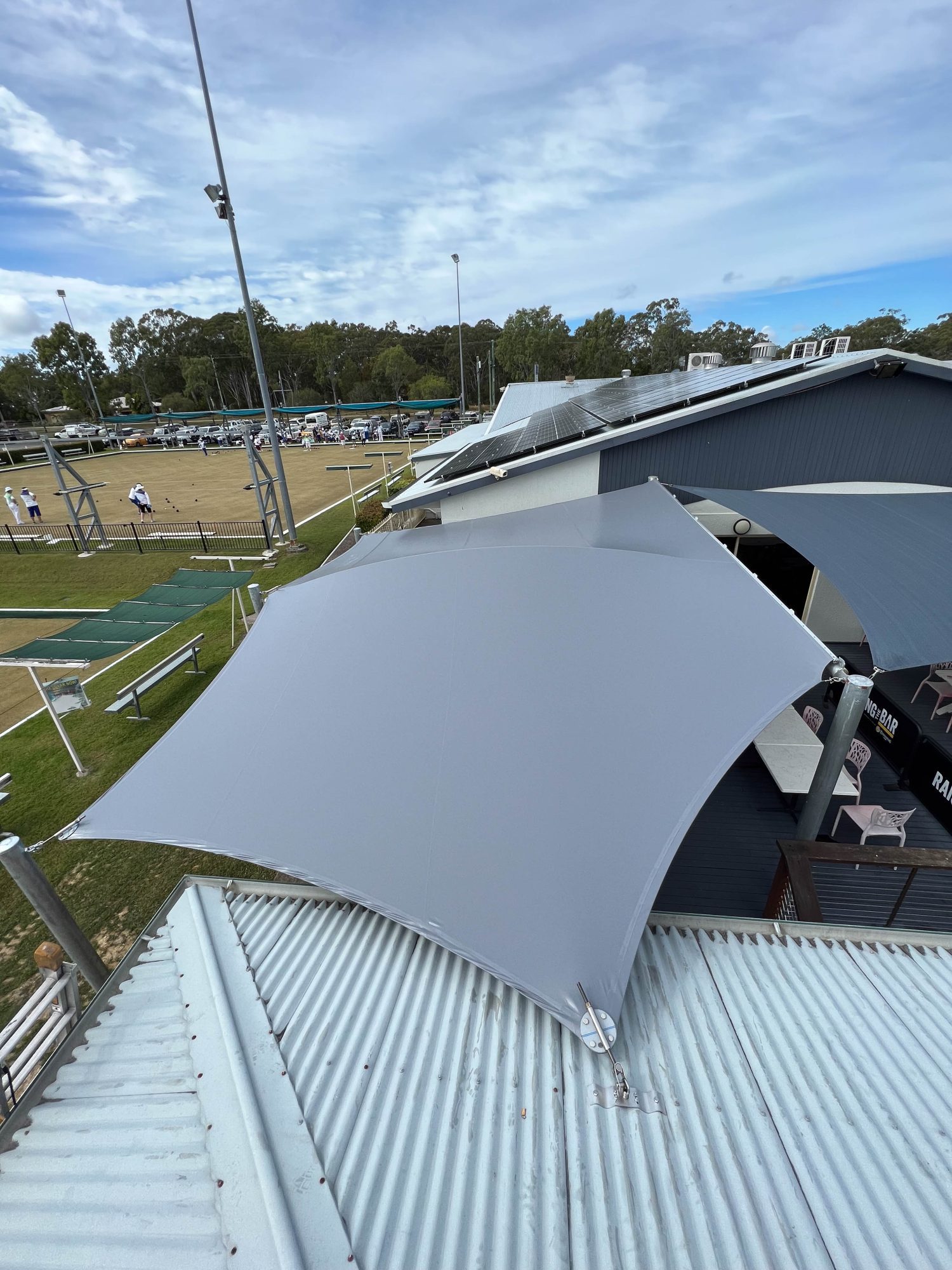
Living close to your neighbours has its perks, but an unobstructed view into your backyard usually isn’t one of them. A privacy shade sail solves two problems at once: it blocks the sun and blocks sightlines, which makes it one of the smartest additions you can make to a tight coastal block.
If your block is narrow, your pool is close to the fence line, or your deck looks straight into the place next door, this guide walks you through exactly what to buy, what it costs, and how to get it installed properly.
What Is a Privacy Shade Sail?
A privacy shade sail is a tensioned fabric shade structure made from a tighter weave or solid material, designed to reduce visibility through it as well as block UV rays. Unlike a standard shade sail, it’s chosen specifically for the angle it’s hung at and the density of the fabric, so it doubles as a screen.
How Privacy Shade Sails Differ from Regular Shade Sails
Standard shade sails are usually knitted, breathable fabrics that let some light and airflow through while cutting UV. Privacy sails use a denser weave (or a solid, waterproof material) and are often hung more vertically, like a screen wall, rather than angled overhead like a typical sunshade.
The key differences:
- Weave density: Privacy sails sit at a higher percentage block-out than shade-only sails.
- Orientation: Often mounted more upright, closer to fence height, rather than purely overhead.
- Purpose: Dual function, sun protection plus a visual barrier, rather than shade alone.
Common Uses (Backyards, Patios, Pools, Balconies)
On compact coastal blocks, privacy sails typically go up:
- Along a boundary fence where a neighbour’s upper storey looks down into the yard
- Beside a pool to block sightlines from the street or a side path
- Across a small balcony or courtyard where units sit close together
- On the sunny, exposed side of an alfresco or deck
Benefits of Installing a Privacy Shade Sail
A privacy sail earns its keep in three ways: sun protection, visual screening, and making a small outdoor space feel more usable. On a tight block, all three matter more than they would on a big rural property.
Sun and UV Protection
Coastal blocks cop harsh, reflected sun off water and pale paving, so UV protection isn’t optional. A quality shade sail fabric blocks a high percentage of UV radiation, which matters for both comfort and skin safety. If you want the technical detail on ratings, our guide to shade sail UV ratings explains what the numbers actually mean.
Visual Privacy from Neighbours
On narrow blocks with close-set fences, a well-placed privacy sail can be the difference between feeling overlooked and feeling like your backyard is actually yours. A dense weave or solid panel hung along the problem sightline stops casual eye contact from a neighbour’s deck, window, or driveway.
Enhancing Outdoor Living Spaces
A screened, shaded corner gets used far more than an exposed one. Add a privacy sail over a small deck or pool area and you’ve effectively created an outdoor room, somewhere you’ll actually sit rather than just walk past on hot days.
Types of Privacy Shade Sails
The right type depends on how much shade you need versus how much you want blocked from view. Not every privacy sail needs to be a solid wall of fabric.
Solid vs Mesh/Knitted Fabric
- Solid/waterproof fabrics (PVC, vinyl-coated polyester): Full block-out, doubles as rain protection, best for maximum privacy.
- Tightly knitted HDPE: High shade factor with a good privacy percentage, still breathable, better airflow in summer.
Blockout vs Semi-Privacy Options
You don’t always need 100% block-out. A semi-privacy weave (around 80 to 90% opacity) still lets in filtered light and breeze while making it very hard for anyone to make out detail through the fabric. Full blockout suits bathrooms, outdoor showers, or spots that back directly onto a neighbour’s window.
Shapes (Triangle, Square, Rectangle, Custom)
Triangles suit corner boundary gaps and awkward angles. Squares and rectangles cover longer fence lines or wider decks more efficiently with less fabric waste. On a genuinely tight or oddly shaped coastal block, a custom-cut sail is often the only way to get full coverage without gaps, our piece on shade sail designs for home patios has more on choosing shapes for your space.
Materials and Fabric Options
Material choice affects privacy level, durability in salt air, and how the sail handles wind. Coastal conditions are tougher on fabric than inland suburbs, so this matters more here than most guides let on.
HDPE (High-Density Polyethylene)
The most common shade sail fabric. Knitted HDPE breathes in wind (important on exposed coastal blocks), resists UV degradation, and comes in densities that range from light shade to near-blockout. It’s the practical middle ground for most homeowners.
PVC and Vinyl Options
PVC and vinyl-coated fabrics are solid, waterproof, and give you total privacy plus rain shedding. They don’t breathe like HDPE, so they hold wind load differently, which means hardware and post strength need to be right. These suit spots where you want a screen and shelter from rain in one structure.
Waterproof vs Water-Resistant Fabrics
Waterproof (PVC/vinyl) sheds rain entirely, useful over an alfresco you want dry year-round. Water-resistant (HDPE) lets some moisture through by design, since it’s a knitted mesh, but dries fast and won’t pool water on top, which is safer in gusty coastal wind. For a deeper comparison, see how to choose the best materials for your shade sails.
How to Choose the Right Privacy Shade Sail
Getting this right comes down to accurate measurements, the correct density for your privacy need, and a colour that suits the house. Skipping any one of these usually means a re-order.
Measuring Your Space
Measure the exact distance between fixing points (fence posts, walls, dedicated posts), note any height differences, and check for underground services before planning post holes. Getting this wrong is the single biggest cause of a poorly fitting sail. If you’re unsure where to start, how to measure your yard for shade walks through the basics before you order.
Choosing the Right Density/Opacity Percentage
As a rough guide:
- 50 to 70% opacity: Filtered shade, minimal privacy, good airflow.
- 80 to 90% opacity: Strong privacy with some light and breeze still passing through.
- 95 to 100% (solid fabric): Total block-out, maximum privacy, no airflow through the panel itself.
For boundary-line privacy on a coastal block, most homeowners land in the 80 to 95% range, enough to stop being overlooked without turning the yard into a box.
Colour Choices and Aesthetic Considerations
Darker colours (charcoal, navy, ironstone) tend to read as denser and more private, and they hide dirt and salt residue better in a coastal setting. Lighter colours reflect more heat but show grime faster near the ocean. Our colour guide covers which shades suit which style of home.
Budget Considerations
Bigger, denser, and custom-shaped sails all push the price up. Balance your privacy needs against your budget by prioritising the one or two sightlines that actually bother you, rather than screening the entire yard on day one.
Installation Guide
Privacy sails carry more wind load than standard shade sails, so the hardware and anchoring need to be right the first time. This is where corners get cut, and where problems show up later.
Tools and Hardware Needed
- Marine-grade turnbuckles and D-shackles
- Wire rope or webbing (rated for the sail size)
- Posts (timber, steel, or masonry, depending on site)
- Concrete for footings
- A tensioning tool
Check out our shade sail installation hardware range if you’re sourcing components for a DIY job.
Step-by-Step Installation Process
- Confirm fixing points and check for services (call before you dig).
- Set posts in concrete, allowing full cure time before loading them.
- Attach turnbuckles and hardware to each corner point.
- Hang the sail and tension evenly, corner by corner.
- Check for even pull, no sagging, and correct water run-off angle.
Mounting Options (Posts, Walls, Trees)
Fence lines, house walls, dedicated posts, and even solid, healthy trees can all serve as anchor points, provided they’re checked for load capacity. On compact blocks, using the house and fence as two of your fixing points often saves you from sinking extra posts into a small yard.
DIY vs Hiring a Professional
A small, single-panel sail over a low-load area can be a reasonable DIY project if you’re confident with tools and tensioning. But privacy sails, being denser and often larger, catch more wind, so incorrect post depth or under-rated hardware is a real failure risk in a storm. For anything over a straightforward single panel, or anywhere near a boundary fence or pool, professional installation is the safer call, and it’s usually what keeps your warranty valid too.
Maintenance and Care Tips
A well-maintained sail lasts years longer than one that’s ignored, and on the coast, salt build-up is the main enemy. A quick seasonal routine keeps fabric and hardware in good shape.
Cleaning Your Shade Sail
Hose down every few months to remove salt and dust, and scrub gently with mild soap and water for grime or mould. Avoid harsh chemicals, which can degrade UV coatings faster than the sun does.
Seasonal Storage and Weather Considerations
Loosen tension slightly before severe storm warnings if your hardware allows it, and consider taking sails down entirely ahead of cyclone season if you’re in an exposed coastal spot. For more on how fabric holds up under pressure, read can shade sails withstand strong winds and extreme weather.
Signs You Need a Replacement
- Fraying at stitched edges or corner points
- Fabric gone brittle, chalky, or visibly faded
- Sagging that tensioning can no longer fix
- Small holes or tears spreading over time
Most quality sails last 8 to 12 years in coastal conditions with proper care, less if the fabric is cheap or under-rated for UV exposure.
Cost of Privacy Shade Sails
Expect to pay more for a privacy sail than a standard one, since denser fabric and heavier-duty hardware both add cost. Budgeting properly upfront avoids nasty surprises later.
Average Price Ranges by Size and Material
Pricing varies with size, shape complexity, and fabric, HDPE privacy weaves sit in the mid-range, while solid PVC/vinyl panels cost more due to material and reinforced hardware needs. Custom shapes for awkward, compact blocks also add to the price over a standard rectangle or triangle. For a full cost breakdown, see how much does a custom shade sail cost in Australia.
Installation Cost Factors
- Number and type of fixing points (posts vs existing structures)
- Ground conditions (rock, sand, services nearby)
- Sail size and shape complexity
- Access for equipment on tight blocks
If you’re ready to compare options, you can shop shade sails by size to get a feel for what suits your block before requesting a custom quote.
Getting the Right Fit for Your Block
Compact coastal blocks need a smarter approach than simply hanging a sail overhead. Get the density, shape, and anchor points right, and a privacy sail becomes the single upgrade that makes your outdoor space actually private and usable, not just shaded. If you’re still weighing up sails against other structures, our outdoor shade structures comparison is worth a read before you commit.
Frequently Asked Questions
Can a shade sail be used as a privacy screen?
Yes. Choosing a densely woven or solid fabric and hanging it more vertically along a fence line or sightline turns a standard shade sail into an effective privacy screen while still providing UV protection.
What is the disadvantage of a shade sail?
Shade sails don’t offer full weatherproofing unless made from solid, waterproof fabric, and they can be vulnerable to strong winds if hardware or posts aren’t rated correctly, so professional installation matters.
Do you need council approval for a shade sail in QLD?
It depends on the size, height, and location of the sail relative to boundaries, smaller residential sails are often exempt, but larger or boundary-adjacent structures may need approval. Check our detailed guide on council approval for shade sails in QLD for specifics.
Do Bunnings sell shade sails?
Bunnings stocks a range of off-the-shelf, standard-sized shade sails, but for privacy-specific density, custom shapes, or larger coastal-rated installations, a custom manufacturer like Mister Shade will offer better fit, fabric choice, and durability.