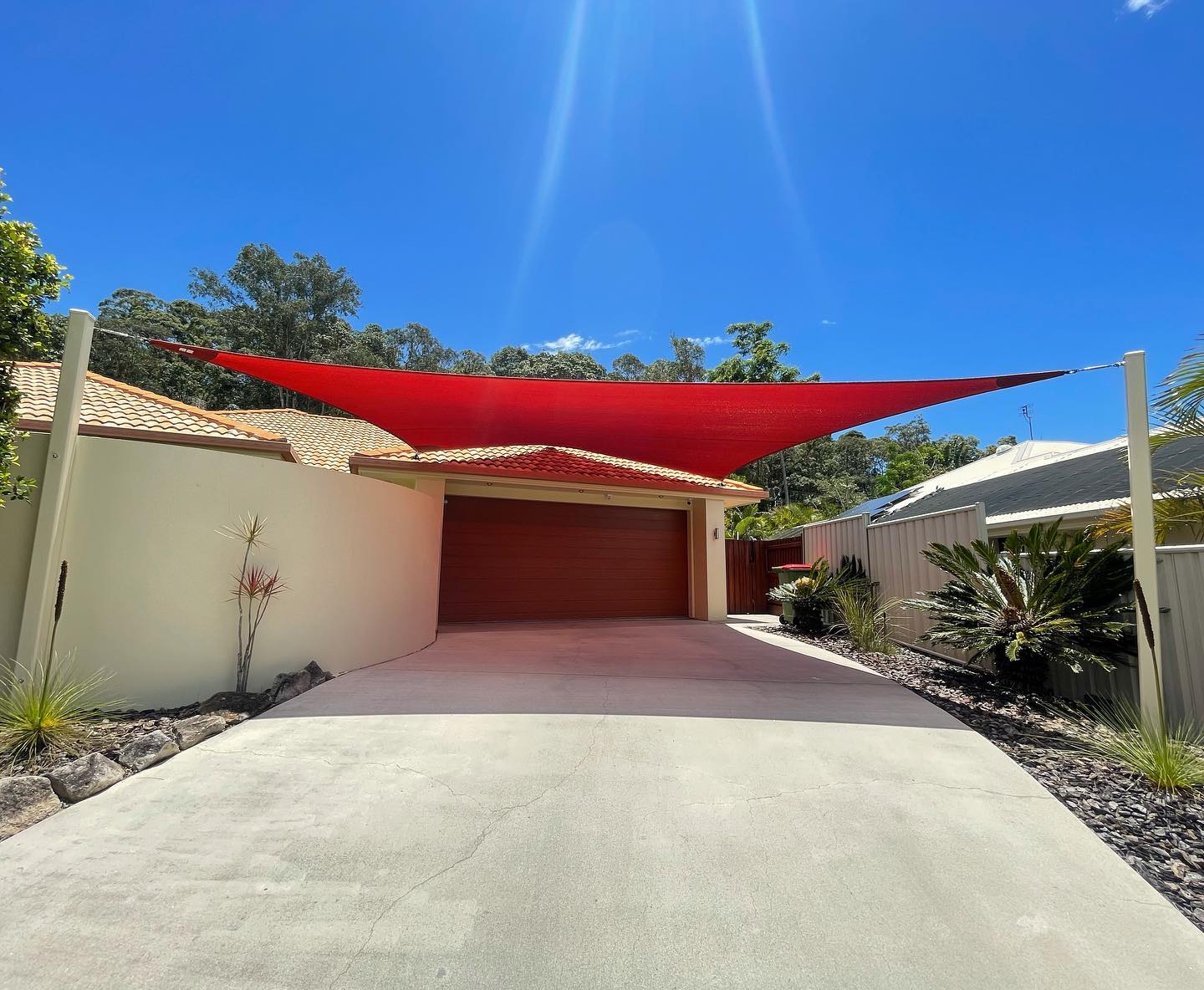
Living in Australia means enjoying the great outdoors, but it also means dealing with some of the harshest sun on the planet. For homeowners and facility operators across the Sunshine Coast, Brisbane, and the Gold Coast, finding reliable shade sail UV protection is absolutely essential. Australia consistently records an Extreme rating on the UV index, significantly increasing the risk of melanoma and other forms of skin cancer. In fact, Cancer Council Australia continually highlights the importance of creating safe, shaded outdoor environments to mitigate these risks. But with so many products on the market, how do you know which shade structures actually deliver the sun protection you need?
What Does a Shade Sail UV Rating Actually Measure?
When evaluating shade cloth, you will encounter two main terms: UV block percentage and UPF rating. Understanding the difference between these two metrics is crucial for ensuring the safety of your family, students, or commercial patrons.
The Australian Radiation Protection and Nuclear Safety Agency (ARPANSA) provides strict guidelines and an official UV index scale to measure sun exposure risk. The scale ranges from Low (1 to 2) up to Extreme (11 and above). Because Queensland frequently sits in the Extreme category, the materials used to block this radiation must be rigorously tested.
A UPF rating (Ultraviolet Protection Factor) is a term typically applied to clothing and personal textiles. It indicates the fraction of UV radiation that passes through the fabric. For example, a UPF 50 rating means only 1/50th of the UV rays penetrate the material, blocking out the rest.
In the shade structure industry, however, we primarily use the UV block percentage. This metric measures the exact percentage of ultraviolet radiation physically blocked by the fabric. Most commercial-grade shade cloths block between 90% and 99% of UV radiation. For absolute peace of mind in high-exposure areas like school playgrounds or backyard patios, aiming for the highest possible UV block percentage is always the best approach.
How Colour and Fabric Weight Affect UV Block
Many people assume that all shade sails offer identical protection regardless of their appearance, but the fabric weight and colour play a massive role in overall performance.
Fabric weight is measured in gsm (grams per square metre). A higher gsm generally indicates a denser, tighter weave. This tighter construction translates to superior structural durability and better sun protection because there are fewer microscopic gaps for the sun to penetrate. When investing in custom shade sails, a heavy-duty commercial fabric will always outperform a lightweight, retail alternative.
Interestingly, the colour of your shade cloth also impacts its UV block percentage. Darker colours absorb more UV radiation, often providing a higher UV block than lighter colours within the exact same fabric range. While a white or cream sail might look bright and breezy, a charcoal, dark green, or navy sail will typically offer slightly better protection against the harsh Queensland sun. When consulting with a professional installer, they can provide the exact UV block specifications for each colour in their fabric range.
Knitted HDPE vs. PVC: Which Offers Better UV Performance?
When selecting materials for your shade structure, the two most common and effective options are knitted HDPE (High-Density Polyethylene) and PVC.
Knitted HDPE is the industry standard for traditional shade sails. It is designed to breathe, allowing hot air to escape upward through the tiny gaps in the weave. This airflow creates a significantly cooler ambient environment underneath while still blocking up to 99% of harmful UV rays. Premium options like Rainbow Shade Z16, Monotec 370, and GALE Pacific Commercial 95 are all high-quality knitted HDPE fabrics renowned for their exceptional UV performance and durability.
PVC, conversely, is a solid, waterproof material. Because it is completely impermeable, it naturally offers a 100% UV block. However, this lack of airflow can trap heat underneath the structure if not designed with adequate height or ventilation. PVC is an excellent choice for commercial awnings, car parks, or architectural MakMax umbrellas where waterproofing is the primary goal. Knitted HDPE remains the preferred choice for domestic gardens and playgrounds where temperature control is just as important as sun protection. If you’re still undecided on the right fabric for your project, learn more about how to choose the best materials for your shade sails.
The Mister Shade Difference: Surviving the Queensland Sun
With over 10 years of specific company experience and a family legacy spanning more than 30 years in the industry, founder Todd and his father Paul have seen firsthand what the Queensland sun can do to inferior products. Mister Shade has completed over 1,500 installations along the East Coast, giving the team unique insights into fabric performance.
A major issue we encounter in the field is rapid UV degradation. The extreme UV index on the Sunshine Coast breaks down cheaper, imported fabrics at an alarming rate. These low-cost materials quickly become brittle, lose their tension, and ultimately tear in the wind. By contrast, commercial-grade, Australian-made or Australian-specified cloth is engineered with advanced UV stabilisers designed specifically to withstand our unique, punishing climate.
There is also a very practical difference customers notice between a standard 95% UV block and a premium 98.7% UV block. On a scorching hot Sunshine Coast day, that extra few percent makes a tangible difference in the temperature. Underneath a premium commercial-grade fabric, the shaded space feels noticeably cooler, allowing you to use your outdoor entertainment areas comfortably even in the middle of the day.
Warranties: Coastal vs Inland Installations
A custom shade sail is a significant investment in your property, and it should be backed by a robust manufacturer warranty. However, knowing what to look for in that warranty is vital.
When reviewing a warranty, pay close attention to the clauses regarding UV degradation. Premium materials typically come with a 10-year minimum lifespan guarantee against UV breakdown. This ensures the fabric will not rot or disintegrate under normal sun exposure.
It is also important to consider your specific location, as a typical fabric warranty might differ slightly in its practical application for coastal versus inland installations. Coastal environments expose shade sails to corrosive salt spray and high coastal winds, which can stress the fabric and the structural engineering. Inland installations might face less wind but endure more intense, prolonged daily heat and sun exposure. Always choose an expert installer like Mister Shade, who provides in-house structural engineering and selects fabrics specifically suited to your local environmental challenges. Furthermore, utilising professional cleaning and maintenance services ensures your sail remains in optimal condition, protecting your warranty status.
Frequently Asked Questions
Are shade sails waterproof and UV protective?
Yes, you can have both. While standard knitted HDPE shade cloth provides excellent UV protection and is water-resistant, it is not completely waterproof. If you need a fully waterproof solution that also blocks UV rays, we recommend custom PVC shade structures or waterproof architectural umbrellas. These materials provide total rain shelter and block 100% of UV radiation.
What UV block percentage do I need for a backyard shade sail in Australia?
Given Australia’s extreme UV levels, we strongly recommend a shade cloth that offers at least a 95% UV block for residential backyards. If the shade sail is covering a highly sensitive area like a swimming pool or a children’s playground, upgrading to a fabric that provides a 98% to 99% UV block is highly advisable to ensure maximum safety against skin cancer risks.
How long do shade sails last in the Australian sun?
A well-maintained, commercial-grade shade sail can last between 10 to 15 years in the harsh Australian sun. Cheaper, off-the-shelf alternatives often suffer from UV degradation within a year or two. Regular maintenance, professional cleaning, and ensuring the sail remains properly tensioned will significantly extend its lifespan.
Ready to Upgrade Your Outdoor Space?
Protecting your family, guests, or commercial patrons from the harsh Australian sun should never be left to chance. Whether you need a simple backyard shade sail, a heavy-duty architectural umbrella, or a large-scale commercial structure, investing in the right UV protection is essential for safety and comfort.
At Mister Shade, we guide you through every step of our proven 3-step process. We start with a free no-obligation design and quotation, move through rigorous engineering certification with 3D renders, and finish with professional, flawless installation. Our family-owned team proudly serves the Gold Coast, Brisbane, Sunshine Coast, Gympie, Hervey Bay, and the Burnett Region.
Do not compromise on your sun protection. Contact the Mister Shade team today to discuss your fabric options and discover how we can transform your outdoor areas into safe, stylish, and comfortable spaces year-round.