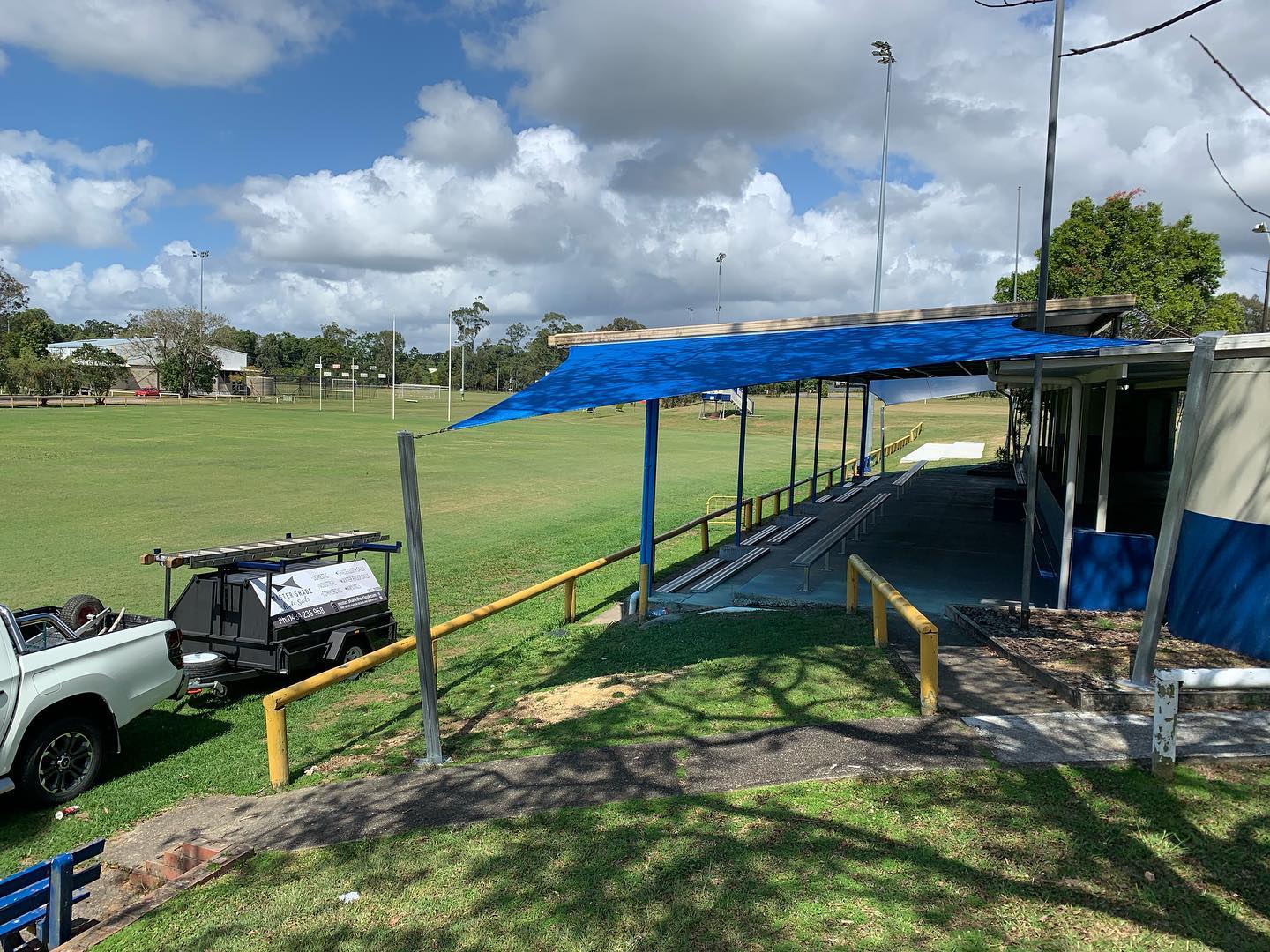
Australia has some of the harshest UV, wind, and rain conditions in the world. Whether you are dealing with sudden summer squalls in Brisbane, coastal gales on the Sunshine Coast, or unpredictable weather on the Gold Coast, homeowners naturally wonder if their outdoor structures can survive the elements. The short answer is yes. A shade sail will perform reliably if designed, specified, and installed correctly. Quality shade sails are engineered to endure intense weather, providing a safe, stylish, and highly functional outdoor space year round. By choosing the right materials and relying on expert shade sail installation, you can create a durable shelter that stands up to both scorching sun and torrential downpours without compromising on aesthetics.
How Do Shade Sails Handle Strong Winds?
Unlike rigid roofs, custom shade sails rely on tension to remain stable. Tension-based structures perform exceptionally well in windy conditions because they are designed to deflect wind rather than block it entirely. When properly engineered, these structures comply with strict Australian wind loading standards (AS/NZS 1170.2), ensuring they can handle significant forces without failing.
Correct tensioning is critical. A loose sail is dangerous because it will flap violently, placing massive stress on the anchor points, the fabric, and the supporting posts. Conversely, a properly tensioned sail remains taut and deflects wind smoothly over its surface. The angle and pitch of the installation also play a massive role in wind performance. A steep pitch prevents wind from catching underneath like a parachute, allowing gusts to glide seamlessly over the top.
While professional installations are rated for high wind speeds, installers will always advise you to exercise caution during extreme weather events. Understanding the specific wind rating of your exact structure is vital for maintaining its longevity and ensuring the safety of your property.
What Happens in a Storm: Should You Remove Your Shade Sail?
When a severe storm or cyclone is forecast, the best practice is always to remove or de-tension your sail. Even the strongest structures have their limits, and removing the fabric protects your investment from flying debris and catastrophic gusts.
Modern hardware makes this process quick and straightforward. High-quality snap hooks, marine-grade turnbuckles, and rapid tensioners allow you to easily detach the sail before the weather turns nasty. You do not need to be an expert to take your sail down, provided your installer has used the correct, user-friendly fittings.
There is a massive difference between a DIY retail sail and a properly engineered custom sail in storm conditions. Cheap retail sails often tear at the seams or rip their anchor points straight out of the wall during heavy winds. Engineered custom shade sails feature robust fixings designed to handle dynamic loads safely. After any severe storm, you should always inspect your sail, hardware, and anchor points for signs of wear, stretching, or movement before re-tensioning the structure.
Are Shade Sails Waterproof?
One of the most common questions we hear from property owners is simply: are shade sails waterproof? The answer depends entirely on the specific fabric you choose for your project.
HDPE Mesh Shade Cloth
High-Density Polyethylene (HDPE) mesh is the standard material for sun protection across the country. It offers excellent UV protection but it is not waterproof. The knitted, porous design allows hot air to escape upward while letting rainwater filter through. This breathable nature is actually a benefit in many setups, as it prevents heavy water from pooling on top and overloading the structure.
PVC and PTFE Fabrics
If you want genuine rain protection, you need heavy duty waterproof shade sails made from PVC (Polyvinyl Chloride) or PTFE (Polytetrafluoroethylene). These materials are fully impermeable and provide year-round shelter. For homeowners looking for waterproof shade sails Brisbane residents trust during heavy summer downpours, these fabrics are the premium choice.
It is important to know that waterproof shade sails Australia wide require a much more robust supporting structure. Because they do not let water through, they need a significantly steeper pitch to ensure proper drainage. Without sufficient runoff, water will pool, creating immense weight that could potentially collapse the structure.
What Makes a Shade Sail Heavy Duty?
A true heavy-duty sail is defined by the quality of its components. The first factor is fabric weight, measured in Grams per Square Metre (GSM). Standard retail sails hover around 160 to 200 GSM, whereas commercial-grade fabrics exceed 330 GSM. Higher GSM means thicker, stronger yarns that resist tearing and stretching over time.
Next is the UV stabiliser quality. The harsh Australian sun degrades inferior plastics quickly, so premium fabrics are rigorously tested to meet strict Australian UV standards. Stitching and reinforcement at the attachment points are equally important. Heavy-duty sails feature reinforced corners with durable seatbelt-style webbing and UV-resistant thread, ensuring the edges do not fray under tension.
Finally, hardware quality separates the best from the rest. Marine-grade stainless steel fittings will not rust, unlike cheaper galvanised alternatives. When exploring waterproof shade sails prices, remember that paying for premium hardware, superior stitching, and strong brand warranties ensures your structure will last for years without failing.
Professional vs. Retail: The Durability Gap
The durability gap between off-the-shelf products and custom shade sails is significant. Retail sails are mass-produced for moderate residential use. They offer a quick, cheap fix but rarely survive a harsh Australian summer without sagging, fading, or tearing at the eyelets.
In contrast, commercial and custom sails use fabrics rated at 330 GSM or higher and typically come with fabric warranties lasting 10 years or more. However, the fabric is only half the story. Professional shade sail installation guarantees that the tension and anchor point engineering are perfectly matched to your property. An engineered steel post set deep in a concrete footing will outlast a DIY bracket screwed into a timber fascia every single time. To see how different materials impact your budget, you can understand how material grade affects your shade sail cost.
How to Choose a Durable Shade Sail for Australian Conditions
Selecting the right shade solution requires careful planning and expert advice. Use this checklist to ensure you get a product built to last:
- UV Rating: Look for a minimum of 95 percent UV block to protect your family.
- Fabric Weight: Choose commercial-grade 330 GSM or higher for maximum longevity.
- Hardware Spec: Insist on marine-grade stainless steel fittings to prevent rust.
- Installation Method: Ensure anchor points and posts are structurally engineered.
- Warranty: Look for a minimum 10-year warranty against UV degradation.
You must also consider your specific location. Coastal properties need highly corrosion-resistant hardware to combat constant salt exposure. Cyclone zones in Queensland require easily removable sails and over-engineered posts. Frost zones demand fabrics that will not turn brittle in freezing overnight temperatures. If you need inspiration for your property, explore shade sail designs suited to your home and climate.
Ready to upgrade your outdoor space? Get a weather-rated shade sail quote from Mister Shade today.