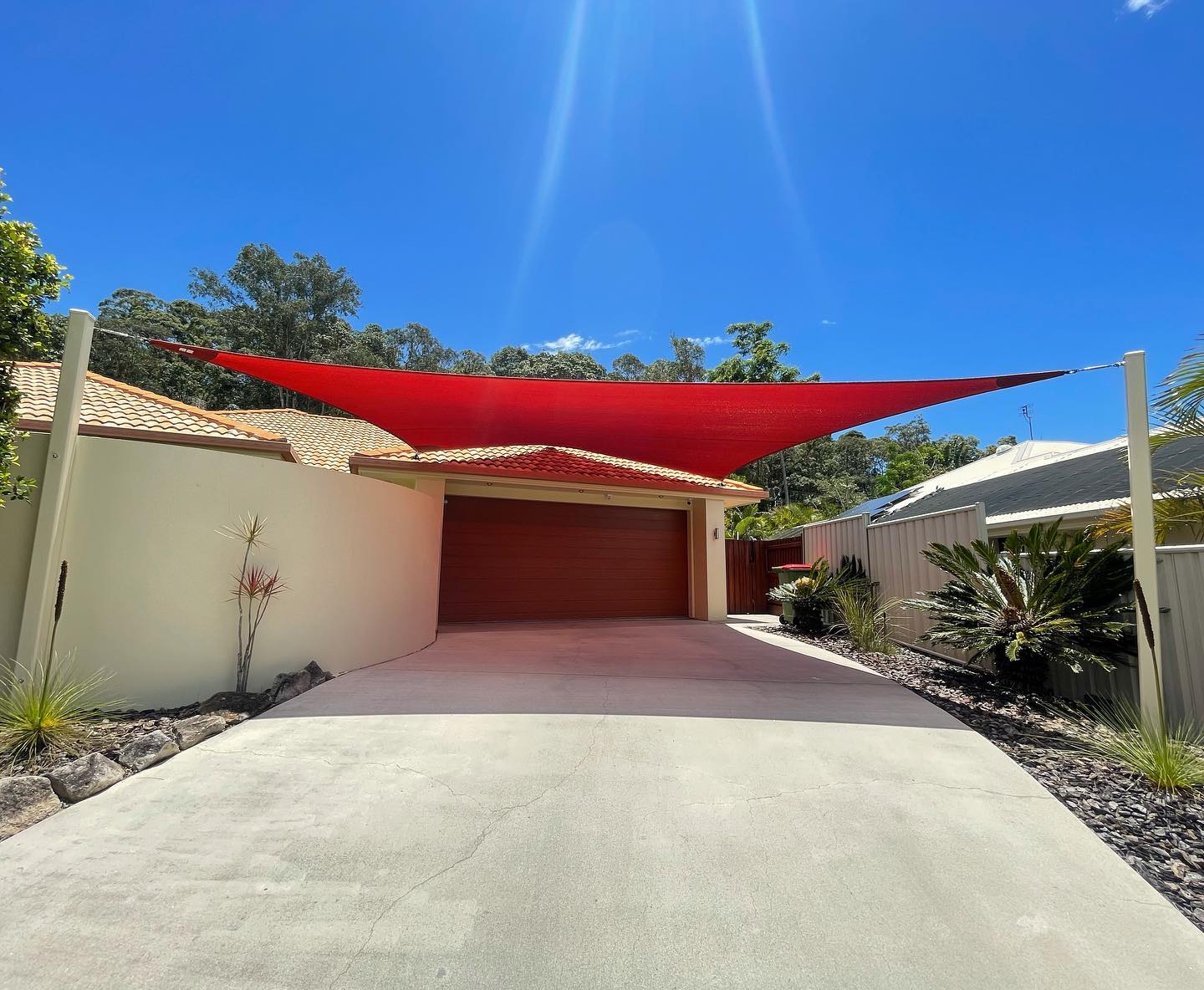
If you want your shade sail up and doing its job before the harsh summer sun hits, the short answer is: book your installation in late winter to early spring, ideally August through October. This gives you calm, dry, mild weather for the install itself and gets your sail tensioned and ready well before peak UV season arrives.
Get the timing wrong, though, and you can end up with a delayed job, a poorly tensioned sail, or fabric that’s already stressed before it’s even seen a full summer. Here’s how to plan it properly.
What Is a Shade Sail and Why Timing Matters
A shade sail is a tensioned fabric structure, usually shaped as a triangle or square, anchored between posts, buildings, or fixed points to block UV rays and create usable outdoor space. It sounds simple, but the install window you choose has a real effect on how well it performs and how long it lasts.
How Weather and Season Affect Installation Quality
Wind, rain, and heat all affect how accurately a sail can be measured, tensioned, and fitted.
- Wind makes it hard to handle large fabric panels safely and can throw off tension measurements.
- Rain and humidity can delay digging post holes and pouring concrete footings, which need dry conditions to cure properly.
- Extreme heat makes fabric expand slightly, which can lead to a sail that looks tight on install day but sags once cooler weather arrives.
Risks of Installing at the Wrong Time
Install during a storm-prone period or a heatwave and you’re more likely to see:
- Uneven tension once temperatures shift
- Delayed footings or anchor points that haven’t cured properly
- Higher chance of installer cancellations due to unsafe wind conditions
- A sail that’s already under stress before its first proper summer
The Best Season to Install a Shade Sail
For most of the Sunshine Coast, late winter through spring hits the sweet spot of mild temperatures, lower rainfall, and manageable wind.
Spring Installation: Pros and Cons
Spring (September to November) is generally the best window.
- Pros: Mild days, less humidity than summer, plenty of time to tension and check the sail before peak sun season, and installers aren’t yet booked solid for Christmas.
- Cons: Booking early in spring means getting in the queue before everyone else has the same idea, so it pays to lock in your date sooner rather than later.
Summer Installation: Pros and Cons
Summer feels urgent because that’s when you want the shade, but it’s not the easiest time to install.
- Pros: Immediate relief from UV and heat once it’s up.
- Cons: Storm season on the Sunshine Coast typically runs November to April, bringing higher winds, sudden downpours, and more cancelled install days. Installers are also flat out, so lead times stretch.
Fall Installation: Pros and Cons
Autumn (March to May) is a solid second option.
- Pros: Storm season is winding down, temperatures are dropping to comfortable levels, and installers have more availability after the summer rush.
- Cons: You’ll be shaded for the milder months but won’t get the full benefit until the following summer.
Why Winter Is Usually Not Ideal
Winter isn’t dangerous for installation, but it’s not ideal either. Shorter daylight hours limit the working window, and if you install right before winter, you might not notice minor tensioning issues until the fabric is stressed by the first hot spell. It’s a fine time to plan and order, just not always the best time to actually get the sail fitted if you can avoid it.
Ideal Weather Conditions for Installation Day
Good installation days are calm, dry, and mild, not hot, not wet, and not windy.
Wind Speed and Safety Considerations
Most professional installers won’t work in strong wind. Large fabric panels act like sails (unsurprisingly) and become genuinely dangerous to handle above certain wind speeds. If you’re checking whether shade sails can withstand strong winds and extreme weather once installed, know that a well-built sail handles gusts fine, but installing during high wind is a separate safety issue altogether.
Temperature Range for Best Results
Mild days, roughly 18°C to 28°C, are ideal. This range lets the fabric sit at a natural tension without excessive expansion from heat or stiffness from cold, giving a more accurate, lasting fit.
Avoiding Rain and Humidity Issues
Wet ground delays post holes and stops concrete footings curing properly. Humidity can also affect adhesives or fittings used in some anchor systems. A run of dry days before and during your install date makes for a cleaner, faster job.
How Far in Advance to Plan Your Installation
Book earlier than you think you need to, especially if you want your sail up before summer.
Lead Time for Custom Shade Sails
Custom sails aren’t off-the-shelf. Fabric needs to be measured, ordered, and made to your exact shape and tension points. Depending on the season and supplier workload, this can take several weeks. If you’re comparing options, it helps to understand how to choose the right shade sail fabric before you lock in your design, since fabric choice can affect lead times too.
Permit and HOA Approval Timelines
Depending on your council area and the size or placement of your sail, you may need approval before installation starts. Sorting this out early avoids installation-day delays. Have a read of our guides on council approval for shade sails in QLD and local council approval requirements across Australia to see what applies to your property.
Scheduling Around Professional Installers
Spring and early summer are peak booking periods for Sunshine Coast installers. If you want a spring install, get in touch in winter. If you’re aiming for a pre-Christmas job, book by August or September at the latest.
Signs It’s Time to Install (or Replace) a Shade Sail
Sometimes the trigger isn’t the calendar, it’s your project or your existing sail.
New Outdoor Space or Patio Projects
If you’re building a new deck, patio, or entertaining area, plan the shade sail into the design early rather than adding it as an afterthought. It’s easier to position posts and anchor points before paving or landscaping is finished.
Replacing a Worn or Damaged Sail
Fading, sagging, small tears, or a sail that no longer holds tension are all signs it’s due for replacement. Waiting until it fails completely during a storm isn’t ideal, plan the swap during a calmer season instead.
Preparing for Peak Sun Season
If your main goal is protecting kids, customers, or outdoor furniture from harsh summer UV, aim to have everything installed and tensioned at least four to six weeks before the hottest months hit.
How Long Does Shade Sail Installation Take
Most residential installs take one day, sometimes two if footings need time to cure.
DIY Timeline
A DIY install with pre-made hardware can take a full weekend, factoring in measuring, digging post holes, and letting concrete set before attaching the sail. Rushing this step is one of the most common causes of a poorly tensioned result. If you’re going this route, a step-by-step shade sail installation guide is worth reading before you start (check our latest posts for current how-to content).
Professional Installation Timeline
A professional crew typically completes a standard residential sail in a single day, including post installation, tensioning, and final checks. Larger commercial jobs, like those for cafes, schools, or childcare centres, may take longer depending on scale and design complexity.
Post-Installation Timing Considerations
Installing the sail isn’t the end of the job, ongoing tension checks matter too.
When to Tension or Retension the Sail
Fabric naturally stretches a little over its first few months. Most installers recommend checking tension after the first major heat event and again at the start of each summer. Correct post and anchoring setup makes retensioning far easier down the track.
Seasonal Removal and Storage Tips
Some households choose to remove sails before severe storm season or cyclone warnings, particularly in exposed coastal positions. If you do this, store the fabric clean and dry to avoid mildew, and check maintenance and cleaning tips so it’s ready to go back up without issue.
Common Mistakes to Avoid When Timing Your Installation
A few timing errors show up again and again:
- Waiting until the first heatwave to book, then facing weeks of installer wait times.
- Installing during storm season without checking the weather forecast for the week ahead.
- Skipping council checks and having to pause or alter the install partway through.
- Rushing footing cure times to meet a deadline, which weakens the anchor points long-term.
- Ignoring fabric expansion in hot weather, leading to a sail that sags once temperatures drop.
Getting the timing right isn’t just about comfort on installation day, it directly affects how long your sail lasts and how well it performs once summer arrives. If you’re ready to lock in a spring installation date, get a custom shade sail quote from our Sunshine Coast team while the calendar is still on your side.
Frequently Asked Questions
What is the disadvantage of a shade sail?
Shade sails need regular tension checks and can sag or loosen over time, and in very high winds or severe storms they may need to be taken down if not rated for extreme conditions. They also offer less protection from rain than a solid roof structure.
How to attach shade sail to house in Australia?
Shade sails are typically attached to a house using a heavy-duty wall bracket bolted into a structural stud, brick, or masonry, paired with a turnbuckle for tensioning. It’s best to have a professional confirm the wall can handle the load before fixing any hardware.
How deep should a shade sail post be in the ground?
Most residential shade sail posts are set at least 600mm to 900mm deep in a concrete footing, though exact depth depends on post height, soil type, and expected wind load. Larger commercial sails often need deeper or engineered footings.
Can you leave a shade sail up all year?
In most Sunshine Coast locations, yes, quality UV-rated fabric is designed to stay up year-round. However, in cyclone-prone or highly exposed areas, many owners choose to take sails down ahead of severe storm season for extra peace of mind.