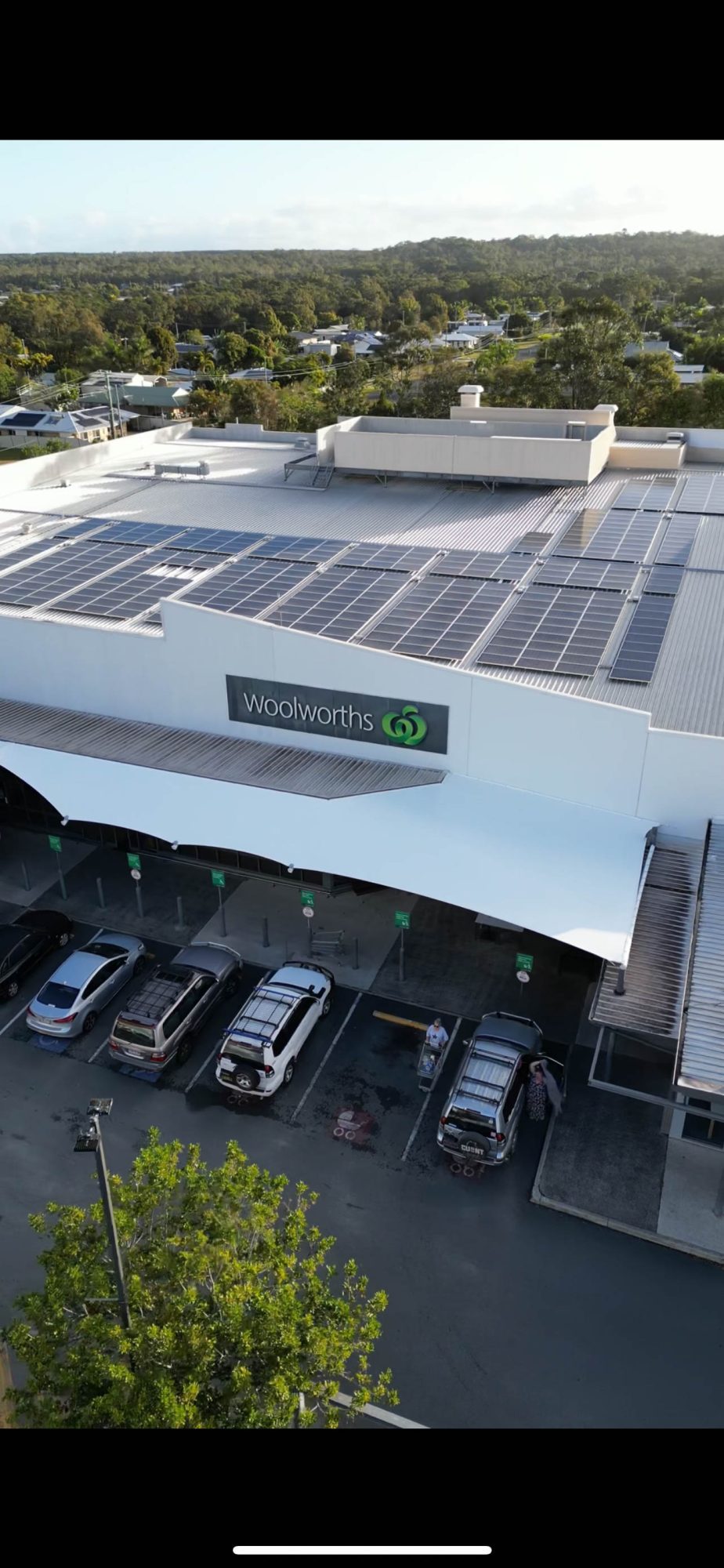
Do you need local council approval to install a shade sail? The short answer is: Yes and No, it depends.
While many small, residential shade sails are exempt from local council approval, larger or more permanent structures almost always require a permit. The exact rules vary significantly depending on your local council, your state, and the specific type of structure you want to build. This article serves as a practical guide to help you navigate the regulations. We will break down the rules by state, highlight the key factors councils look at, and explain when you can proceed without a permit so you can install your new shade sail with complete confidence.
The Short Answer: It Depends on These Factors
When homeowners ask, “do I need a permit for a shade sail”, the answer usually comes down to the scale and location of the project. Local councils generally classify shade sails as either exempt development (meaning no approval is required) or assessable development (meaning you need a permit). To determine which category your project falls into, councils evaluate several key factors:
- Structure Height: Most councils mandate a maximum height for exempt structures. If any part of your shade sail or its supporting posts exceeds 3 metres above ground level, you will likely need approval.
- Total Sail Area and Footprint: The physical size of the shade cloth matters. Small sails under 10 to 20 square metres are often exempt, but larger commercial or residential installations covering expansive driveways or pools will trigger permit requirements.
- Freestanding vs. Attached: How the sail is anchored plays a major role. A freestanding structure supported entirely by its own posts is viewed differently than a sail attached directly to the fascia or roof of your home, as the latter impacts the structural integrity of the existing building.
- Temporary vs. Permanent: Some councils differentiate between a temporary shade sail taken down during winter and a permanent, highly engineered structure designed to stay up year-round.
- Proximity to Boundaries: Installing a shade sail right on your property line can impact your neighbours. Councils usually require a minimum setback distance from side and rear boundaries, as well as specific clearances from the front street.
Development Approval Exempt Thresholds: A State-by-State Guide
Because local government regulations differ across the country, it is vital to check your specific state and council guidelines. Below is a general comparison block outlining the typical exemption thresholds. Please note that readers should always verify with their local council as rules can change frequently.
| State | Max Area (Typically Exempt) | Max Height (Typically Exempt) | General Boundary Setback |
|---|---|---|---|
| Queensland (QLD) | Up to 10m² (varies by local council) | 2.4m to 3m | Usually 1.5m from boundaries |
| New South Wales (NSW) | Up to 20m² (residential) | 3m | 0.9m from side/rear boundaries |
| Victoria (VIC) | Up to 10m² to 20m² (council dependent) | 3m | Strict street frontage rules apply |
| WA, SA, NT & TAS | Generally up to 10m² to 15m² | 2.5m to 3m | Varies (check local planning codes) |
Queensland
If you are looking for council approval for shade sails QLD, the rules are heavily influenced by the state’s extreme weather conditions. In coastal areas like the Sunshine Coast, Gold Coast, and Brisbane, councils are particularly strict about wind ratings and boundary setbacks. Generally, a small shade sail under 10 square metres may be exempt if it meets height and boundary restrictions. However, larger installations will require building approval. For detailed regulatory frameworks, you can review the Queensland Planning Code exempt development provisions, but always double-check with your local certifier.
New South Wales
Under the State Environmental Planning Policy (SEPP) in NSW, shade structures can often be installed as exempt development if they meet specific criteria. For residential properties, the sail area must generally not exceed 20 square metres, and the height must remain under 3 metres. It must also be located behind the building line of any road frontage.
Victoria
Navigating a shade sail permit Victoria/NSW border region or within greater Melbourne requires careful attention to the Building Regulations. In Victoria, a shade sail is typically exempt if it is less than 10 to 20 square metres (depending on the specific municipality), is not located closer to the street than the main dwelling, and is not attached to a boundary fence.
Western Australia, South Australia, Northern Territory, and Tasmania
In these states and territories, the exemption thresholds generally hover around the 10 to 15 square metre mark. South Australia and Western Australia have specific rules regarding the reflectivity of the material and the visual impact on the streetscape. In the Northern Territory, cyclone ratings take precedence, meaning almost all permanent outdoor structures require engineering certification and council approval regardless of size.
When Will You Almost Certainly Need Approval?
Even if you think your project is small, certain conditions will automatically trigger the need for formal council approval. You should prepare to submit an application if your situation involves any of the following:
- Sails Over 20 to 25 Square Metres: Large custom shade solutions designed to cover entire pools, large patios, or multiple vehicles exceed the exempt development thresholds in every Australian state.
- Heritage-Listed Properties: If your home is heritage-listed or located in a designated heritage conservation area, any external modification, including adding a shade sail, requires strict council consent to ensure the structure does not detract from the historical character of the neighbourhood.
- Permanent Carport Replacements: Securing shade sail carport council approval is a very common requirement. If you are erecting a large, heavy-duty shade structure in your front driveway to act as a permanent carport or awning replacement, councils will assess it for streetscape aesthetics, structural safety, and traffic visibility.
- Bushfire Attack Level (BAL) Zones: Properties located in bushfire-prone areas face stringent regulations. Shade sails must comply with specific fire retardant standards, and installing them in high BAL-rated zones almost always requires a specialized permit.
What About Shade Sails in Strata or Rental Properties?
If you live in an apartment complex, a townhouse, or a rental property, local council regulations are not the only hurdles you need to clear.
For strata-titled properties, you must obtain body corporate approval before installing a shade sail. Body corporates are highly protective of the visual amenity of the building. They will want to review the size, shape, and colour of your proposed shade sail to ensure it maintains a uniform look across the complex. Even if the council classifies your sail as exempt development, the body corporate can legally block the installation if it violates their bylaws.
For renters, landlord consent is absolutely mandatory. Because installing a permanent shade sail involves digging deep footings for posts or drilling heavy-duty brackets into the home’s exterior, it is considered a major modification. Renters might opt for smaller, temporary shade sails that can be tied to existing non-structural anchors, as these are less likely to require formal permits or cause permanent property damage.
How Does a Professional Installer Help With Approvals?
Trying to interpret local planning schemes, building codes, and boundary setbacks can be overwhelming. This is where partnering with a professional shade sail company becomes invaluable. A reputable installer does much more than simply stitch fabric and pour concrete; they manage the technical compliance of your project.
When you work with a specialist, they provide certifiable engineering drawings required for council submission. These drawings prove that your new structure complies with the AS 1170 wind loading standards, ensuring it will not collapse or tear away during severe Australian storms. At Mister Shade, we have an in-house structural engineer who oversees the design and certification process from start to finish, providing complete peace of mind for homeowners, architects, and developers alike. We ensure you get shade sails engineered for Australian conditions.
Furthermore, a professional team can assess your property during a site visit, identify potential boundary issues, and tell you upfront whether your design requires a permit. They can also help you get a full cost breakdown for professional installation, which includes any necessary engineering and certification fees. Talk to the Mister Shade team about your council requirements to ensure your project is compliant, safe, and built to last.
Conclusion
Navigating local council regulations does not have to be a headache. While the rules surrounding structure height, sail area, and boundary setbacks vary by state, the safest approach is always working with a licensed professional installer who understands the specific requirements of your area. At Mister Shade, we have over ten years of experience and more than 1,500 successful installations under our belt across the East Coast of Australia. We provide end-to-end services, from free custom designs to engineering and certification. If you are ready to upgrade your outdoor space with a premium shade solution, reach out to our expert team today to discuss your project and ensure complete compliance.
Frequently Asked Questions
Do shade sails need council approval QLD?
It depends on the size and location. In Queensland, small shade sails under 10 square metres that are kept below 2.4 to 3 metres in height and maintain proper boundary setbacks are often exempt. However, larger residential and commercial sails, or those used as carports, will require local council building approval.
What size shade sail doesn’t need council approval?
Generally, shade sails between 10 and 20 square metres do not need council approval, provided they meet strict height limits (usually under 3 metres) and boundary setback rules. Exemption thresholds vary significantly by state and local council, so you should always verify with your local authority before installation.
Do temporary shade sails need permits?
Small, temporary shade sails that are easily removable and not permanently fixed with structural footings or heavy wall brackets typically do not require a permit. However, if the structure covers a large area or is left up year-round, the council may classify it as a permanent structure requiring approval.