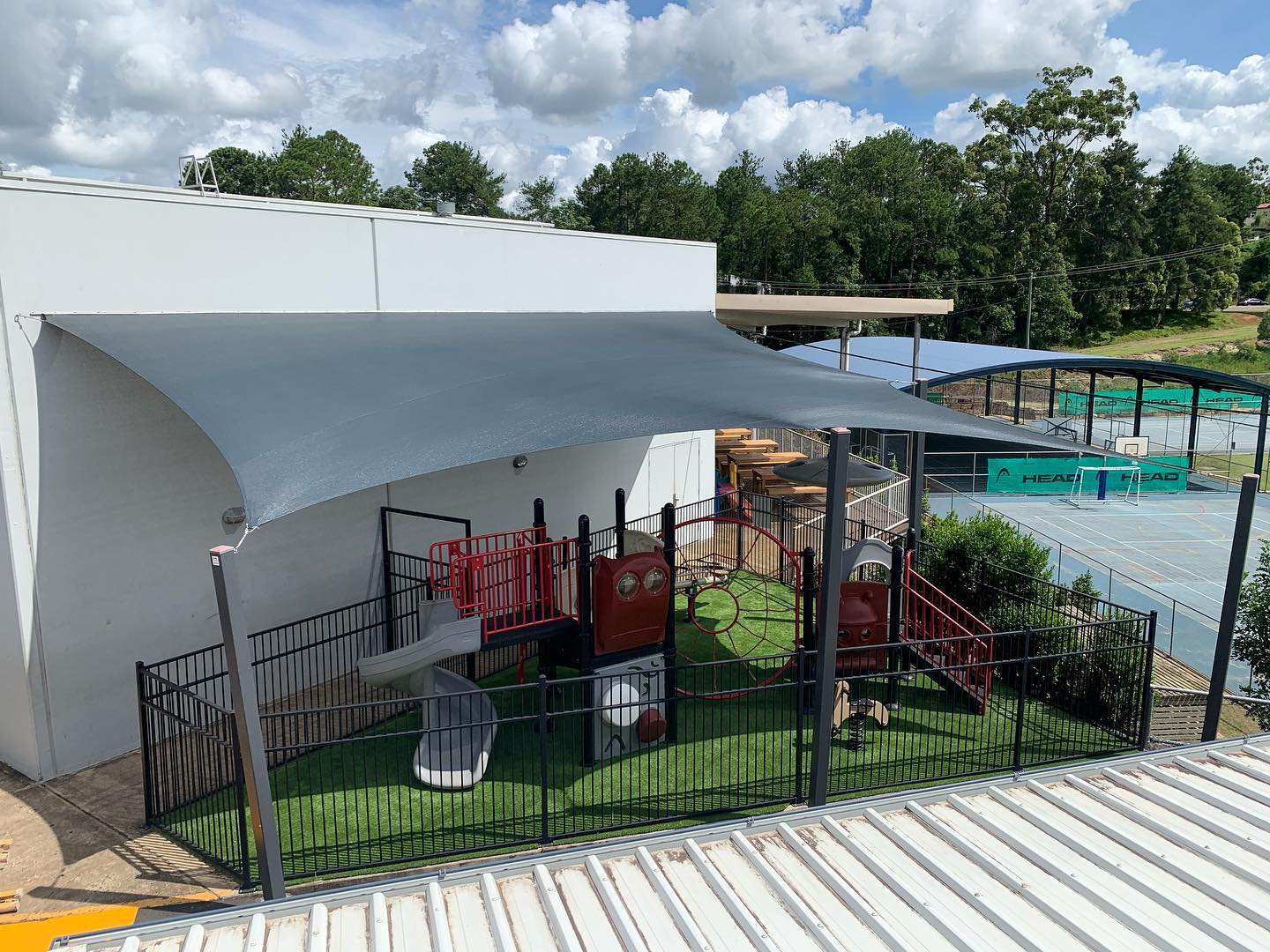
Queensland is the skin cancer capital of the world, with some of the highest skin cancer rates anywhere on the planet. That risk starts early, which is why schools and childcare centres are under growing pressure to provide real shade, not just a few trees or a verandah.
Across Australia, schools, councils, and playground designers now treat shade as essential infrastructure, not a nice extra. For Sunshine Coast schools, school shade sails are one of the most effective ways to keep kids safer and more comfortable outdoors.
This guide breaks down why playground shade matters, what to look for in school shade sails, and how Mister Shade supports schools and childcare projects across the region.
Why Schools And Childcare Need Proper Shade
Extreme UV in Queensland
Australia has the highest skin cancer rates in the world, and Queensland has the highest rate in Australia. UV levels stay high for much of the year, even when the temperature feels mild or there is cloud cover.
For kids, that matters. Regular outdoor play on unshaded surfaces adds to lifetime UV exposure, which is a key risk factor for skin cancer later in life.
Shade as a proven protection tool
Health authorities and education departments now treat built shade as a core part of sun safety, alongside hats, sunscreen, and clothing. Studies of playgrounds show that high-quality quality built shade can reduce UV radiation in play areas by up to 75% and significantly increase the time children spend in shaded zones.
In short: if a school wants to cut UV exposure reliably, well-designed shade sails over key areas are one of the most direct options.
Key Benefits Of School Shade Sails
1. Strong UV protection where kids actually play
Modern school shade sails use commercial grade fabrics that can block up to 99% of harmful UV rays when specified correctly.
Placed over high-use areas like playgrounds, sandpits, and outdoor classrooms, they:
- Cut UV exposure during peak school hours
- Help support SunSmart and school sun safety policies
- Reduce the risk of sunburn on high UV days
2. Cooler, safer playgrounds
Shade does more than block UV. It drops surface and air temperatures around play equipment.
Research on playground shade shows shaded areas are cooler and more comfortable, which lets children stay active outdoors for longer without overheating.
Benefits for schools:
- Less hot, slippery equipment
- Fewer complaints about burns from slides, seats, and handrails
- More use of outdoor space across the whole day
3. Support for outdoor learning and supervision
When playgrounds and gathering spaces are shaded, they become practical outdoor classrooms.
Shade sails over seating areas, COLAs, and multi-use courts support:
- Assemblies and events in comfort
- Small group work outside standard classrooms
- Easier supervision, as students are less likely to cluster in small pockets of natural shade
This aligns with education trends that promote more outdoor learning time, while still managing UV exposure.
4. Compliance and duty of care
Queensland guidance for schools and councils highlights shade as a key control for UV risk in playgrounds and outdoor spaces.
For principals and facility managers, that means:
- Shade is part of a reasonable duty of care
- Documented shade projects support sun safety policies
- Grant and funding programs often favour or require built shade
Correctly designed school shade sails help show that the school takes UV risk seriously and acts on official advice.
5. Cost-effective compared to built structures
Compared with solid roof structures or new buildings, shade sails usually offer:
- Lower up-front costs
- Faster installation once engineering is complete
- Flexibility to expand or adjust coverage over time
For many Sunshine Coast schools, this balance of protection, coverage, and cost makes shade sails the practical first step.
What Makes A Good School Shade Sail
Not all shade sails are equal. Schools and childcare centres need solutions built for heavy daily use, strong sun, and long service life.
UV rating and fabric choice
Key points to consider:
- UV block: Look for fabrics specifically rated for high UV protection in Australian conditions. Many school-grade fabrics offer up to 99% UV block.
- Durability: Commercial-grade knit fabrics handle constant tension, wind, and sun much better than cheaper retail cloth.
- Colour: Darker tones often block more UV, while lighter colours can keep spaces brighter and more open. A mix can balance both.
Engineering and compliance
School shade sails need more than a nice shape. They need correct engineering for wind loads, soil conditions, and local council rules.
Important elements:
- Engineered posts, footings, and fixing points
- Designs that meet local building requirements
- Correct clearances for playground impact zones and supervision lines
Smart layout and height
Good layouts balance coverage, airflow, and visibility:
- Staggered heights to control water runoff and keep sails tight
- Corners positioned clear of run paths, gates, and equipment impact zones
- Shapes that match sun paths, not just the footprint of the play area
This reduces wear, keeps water from pooling, and helps staff supervise children without blind spots.
Maintenance and lifespan
Well-installed shade sails can last 10 or more years when maintained correctly.
Schools should plan for:
- Periodic cleaning to remove dust, mould, and bird droppings
- Tension checks and hardware inspections, especially after storms
- Timely fabric replacement at the end of life while keeping posts and footings
A clear maintenance schedule keeps the structure safe and extends return on investment.
Areas Schools Commonly Shade
Every campus is different, but some areas nearly always sit on the priority list.
Playgrounds and climbing frames
Priority is often fixed play equipment. These zones deliver:
- High sun exposure for small children
- Hot surfaces and higher injury risk without shade
- Long dwell time during breaks and outdoor lessonsStuart Bell Sails+1
Sandpits, soft fall, and nature play areas
Sand and soft fall absorb heat quickly. Shade sails reduce glare and surface temperature, which keeps these areas usable through more of the year.
Covered outdoor learning areas (COLAs)
Schools increasingly use COLAs as multipurpose spaces. Shade sails or tensioned structures over these zones give flexibility for:
- Assemblies
- Sports and PE theory
- Music, art, and group projects
Lunch areas, queues, and pick up zones
Shade over:
- Lunch tables
- Canteen and tuckshop queues
- Parent pick up and bus areas
helps reduce UV exposure during some of the longest outdoor dwell times of the school day.
When To Start Planning New School Shade Sails
The best time to plan new shade is before the next hot term hits. Consider starting a project when:
- UV readings stay above 3 for most of the day
- Existing sails show sagging, tears, or faded fabric
- New playground equipment, outdoor classrooms, or sports areas are being built
Mister Shade works with schools, childcare centres, and councils across the Sunshine Coast, Brisbane, and beyond to design and install school shade sails that meet local conditions and safety expectations.For a site assessment and quote, schools can contact Mister Shade for a free, no-obligation design and pricing proposal.